
Keywords: gig workers heatwave India, climate change labour risk, platform economy heat stress, NDMA advisory outdoor workers, urban heat vulnerability
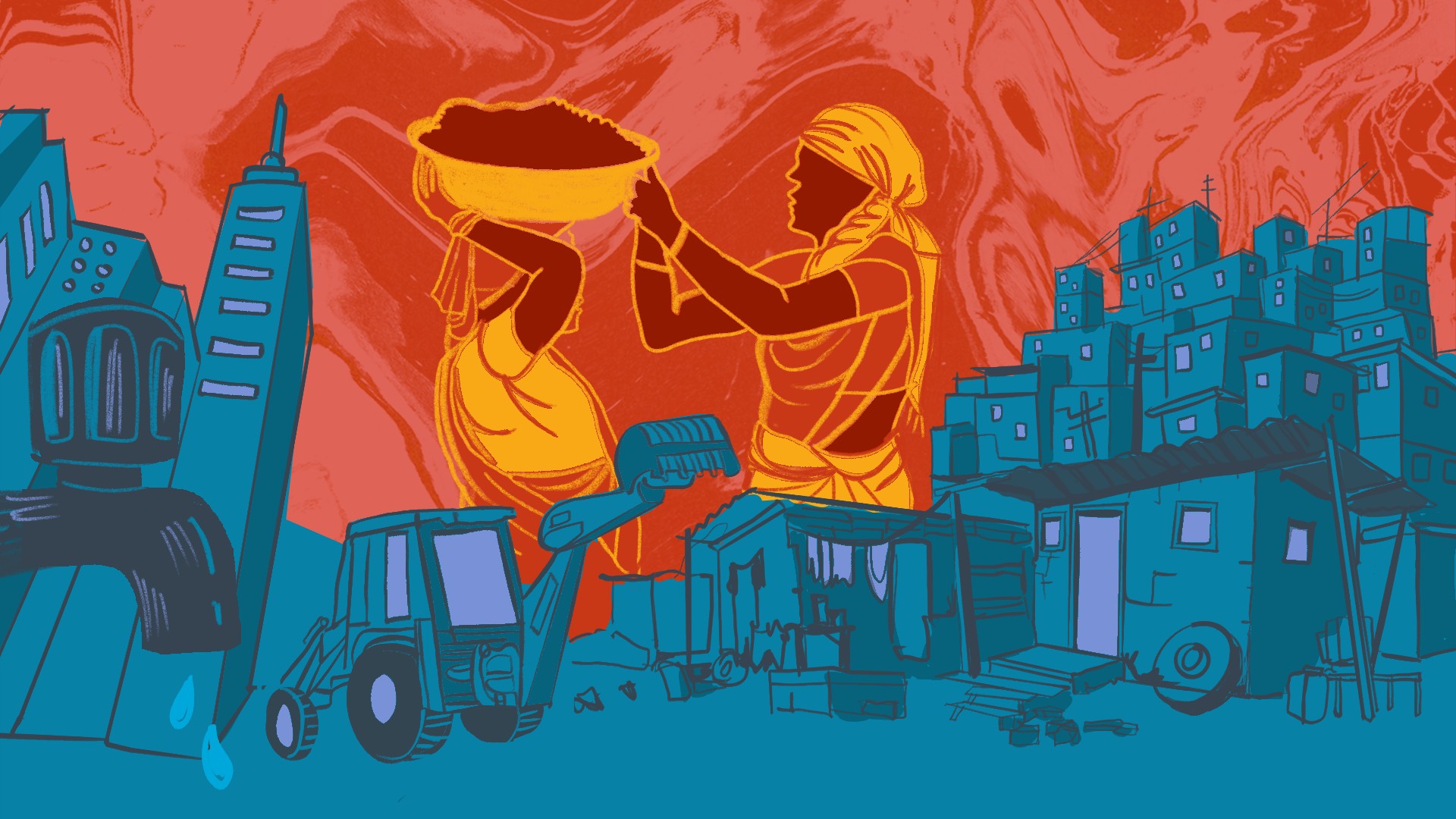
Tags: #GigEconomy #HeatwaveIndia #ClimateJustice #LabourRights #UrbanHeat #NDMA #InformalWorkers
Introduction
India’s platform-based workforce—delivery riders, cab drivers, logistics couriers—has emerged as one of the fastest-growing segments of the labour market. Yet between 2022 and 2026, this expansion has collided with a worsening climate crisis. Intensifying heatwaves, record-breaking temperatures, and prolonged extreme heat exposure have created a silent occupational emergency for gig workers who spend 6–10 hours daily on roads without institutional safety nets.
As India confronts rising heat indices above 50°C in multiple states, the absence of binding labour safeguards for gig workers exposes a structural climate vulnerability embedded within the digital economy.
Heatwave Escalation: 2022–2026
Data from the India Meteorological Department (IMD) show a steep intensification of extreme heat:
-
2022: Over 280 heatwave days before July—among the hottest early summers on record.
-
2023: Hottest February since modern records began.
-
2024: 536 heatwave days—the longest stretch since 2010—with temperatures crossing 45–50°C in Delhi, Hyderabad, and Varanasi.
-
2025: Northern and central India recorded heat indices exceeding 50°C, triggering advisories from the National Disaster Management Authority (NDMA).
-
2026: Continued warnings amid rising urban heat island effects.
These are not isolated meteorological events but part of a sustained warming pattern affecting productivity, public health, and economic stability.
The Expanding Gig Workforce
According to NITI Aayog, India’s gig workforce grew from 7.7 million workers in 2022 and is projected to reach 23.5 million by 2029–30. Estimates by Boston Consulting Group suggest the non-farm gig economy could eventually generate up to 90 million jobs.
However, earnings remain modest:
-
34% of delivery workers earn under ₹10,000 per month (net).
-
Incentive-based pay compels workers to operate during peak heat hours (12 pm–4 pm).
-
Algorithmic penalties discourage breaks or shift reductions.
Thus, climate exposure is structurally embedded in their income model.
Health and Productivity Impacts
Surveys conducted in Hyderabad (June 2024) revealed:
-
52% of gig workers experienced symptoms of heat exhaustion or heat stroke.
-
Many reported fainting incidents in 45°C conditions.
-
Mobile devices overheated, disrupting work and income.
Long-term implications are severe. The International Labour Organization projects that heat stress could result in 34 million job losses globally by 2030, potentially costing India 4.5% of GDP (approximately $150–250 billion).
From 2012–2022, Andhra Pradesh and Telangana recorded 3,596 heat-related deaths, disproportionately affecting informal and outdoor workers.
Structural Vulnerabilities
1. Informal Classification
Gig workers are typically categorized as independent contractors rather than employees. This excludes them from statutory protections like paid leave, regulated working hours, or mandatory occupational safety standards.
2. No Heat-Specific Labour Regulation
India lacks a national heat-stress labour code for platform workers. Existing labour frameworks do not adequately address climate-linked occupational hazards.
3. Platform Control Mechanisms
Reports indicate account deactivations or reduced order allocations when workers protest unsafe conditions or log off during peak heat.
4. Urban Infrastructure Gaps
Cities lack cooling shelters, hydration stations, or shaded rest hubs for informal outdoor workers.
Policy Response: Advisory Without Enforcement
In July 2025, the National Disaster Management Authority issued advisories urging platforms to:
-
Restrict work during 12 pm–4 pm
-
Provide water, shade, and first-aid support
-
Disseminate heat-risk alerts
However, these advisories remain non-binding. Worker unions such as the Telangana Gig and Platform Workers Union (TGPWU) have highlighted weak compliance and alleged retaliatory actions by platforms.
Without enforceable statutory obligations, platform compliance largely depends on corporate discretion.
Climate Justice and Economic Inequality
The gig economy exemplifies a climate paradox:
-
Digital platforms symbolize technological progress.
-
Yet their workforce remains exposed to 19th-century-style labour precarity.
As temperatures rise, the economic divide widens:
-
Higher-income professionals work remotely in climate-controlled environments.
-
Gig workers navigate extreme outdoor conditions for algorithm-driven pay.
This creates what scholars term a “climate-stratified labour market.”
The Way Forward
To protect gig workers amid escalating heat risks, India may consider:
-
Heat-Specific Occupational Safety Standards
Mandatory rest intervals, hydration provisions, and heat-index-based shift caps. -
Legal Recognition of Gig Workers
Formal inclusion within labour codes to guarantee minimum protections. -
Climate-Responsive Urban Planning
Cooling corridors, shaded infrastructure, and public hydration networks. -
Algorithmic Accountability
Transparent policies preventing penalization for climate-related downtime. -
Portable Social Security Funds
Insurance mechanisms covering climate-induced health impacts and wage losses.
Conclusion
India’s climate trajectory is intensifying faster than labour protections are evolving. Between 2022 and 2026, heatwaves have shifted from episodic emergencies to structural economic risks. For gig workers—who power urban logistics and digital commerce—the cost is borne physically and financially.
If India’s digital growth is to remain inclusive, climate resilience must be embedded into labour policy. Otherwise, the nation risks building a platform economy that runs on overheated roads and exhausted bodies.
The future of work in a warming India will not be decided solely by technology—but by whether policy recognizes climate exposure as a core labour justice issue.
By KANISHKSOCIALMEDIA For more updates on environmental regulations, public health policies, and developments in India’s governance, follow Kanishk Social Media for comprehensive and timely coverage of critical issues. If you found this article helpful, share it with others interested in India’s environmental efforts and policy innovation










0 Comments