
Researchers said they expected emissions to rise after noticing a dip during the pandemic year, but the increase was "bigger than expected."
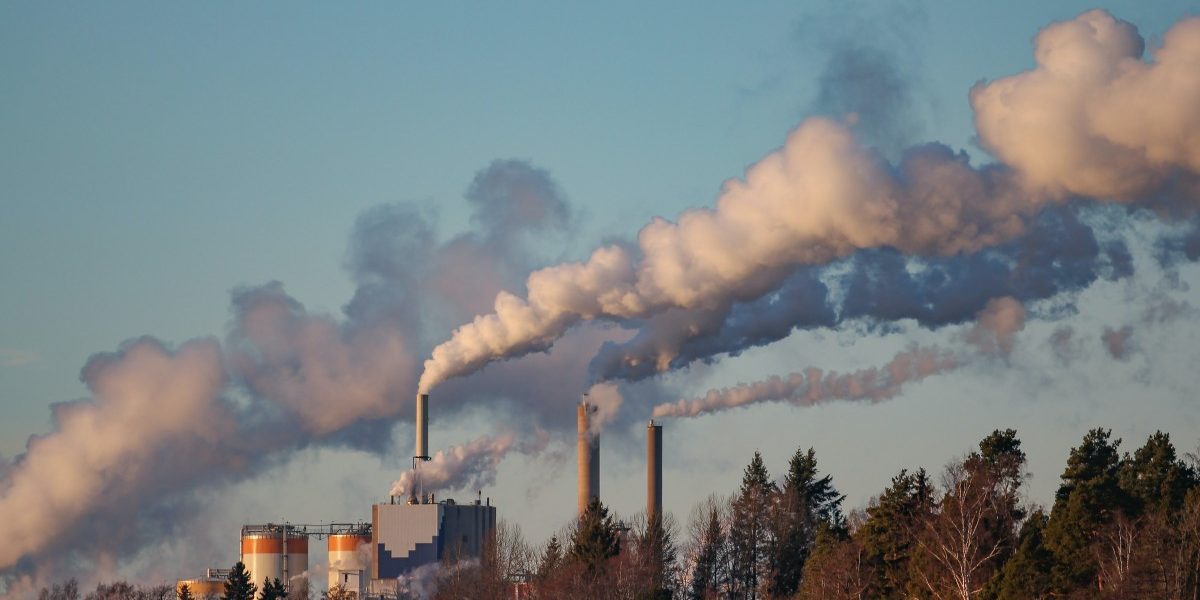
Photo: Daniel Moqvist/Unsplash

The GCP shows that fossil CO2 emissions have largely rebounded in 2021 from their pandemic-related lows in 2020, and will end up just 0.8% below the record highs of 2019. This rebound was much larger than many were predicting, driven by rapid and fossil-intensive growth 9/ pic.twitter.com/xblTAE1zp6
— Dr. Zeke Hausfather (@hausfath) November 4, 2021
Researchers noted that emissions from coal, oil, and gas fell during the pandemic. But gas emissions increased by 2% and coal emissions by 1% between 2019 and 2021.
The study estimates that in 2021 the world will have spewed 36.4 billion metric tons of carbon dioxide, compared to 36.7 billion metric tons two years ago.
China major emitter
China accounted for the majority of the contribution to global coal and gas emissions, with the country’s power sector heavily relying on the sources to generate electricity.
Xie Zhenhua, a UN climate negotiator and special climate envoy for China, told reporters on Tuesday that China was one of the biggest emitters because it was still a developing economy.
China was also an outlier in 2020 as investments to spur economic recovery from the coronavirus pandemic led to greater usage of coal that year, even as emissions fell in other countries.
China and India, the world’s biggest and third-biggest greenhouse gas emitters, are expected to post higher emissions in 2021 than 2019. The United States and Europe are expected to have slightly lower carbon emissions.
World leaders attend climate summit
The report comes as world leaders attend the 26th edition of the Conference of Parties, COP26, in Glasgow. The UN climate conference has been attended by more than 120 heads of states as they try work out ways to keep temperatures below 1.5 degrees Celsius (2.7 degrees Fahrenheit).
The goal was set as part of the 2015 Paris Climate Agreement and researchers say it is imperative for countries to meet the benchmark to avoid the catastrophic effects of climate change.
At COP26, India pledged to achieve net-zero emissions by 2070. China submitted documents to reiterate its 2020 pledge of achieving net-zero by 2060, though its president did not attend the summit.
But researchers say countries need to commit even more aggressively since big commitments to reduce emissions still fell short of meeting climate goals.
This article was originally published on DW.
Social media is bold.
Social media is young.
Social media raises questions.
Social media is not satisfied with an answer.
Social media looks at the big picture.
Social media is interested in every detail.
social media is curious.
Social media is free.
Social media is irreplaceable.
But never irrelevant.
Social media is you.
(With input from news agency language)
If you like this story, share it with a friend!
We are a non-profit organization. Help us financially to keep our journalism free from government and corporate pressure













0 Comments